
10 Tips for Planning The Big Lap of Australia

Are you dreaming about exploring everything Australia has to offer? We’re with you. The iconic Big Lap of Australia has been on our bucket list for years. It’s the ultimate road trip and as with many big adventures, planning is key.




We’ve been planning our big lap of Australia for the last few months, and we would like to share our top 10 tips to help make your Big Lap planning as smooth as possible.
But first, what is the Big Lap of Australia?

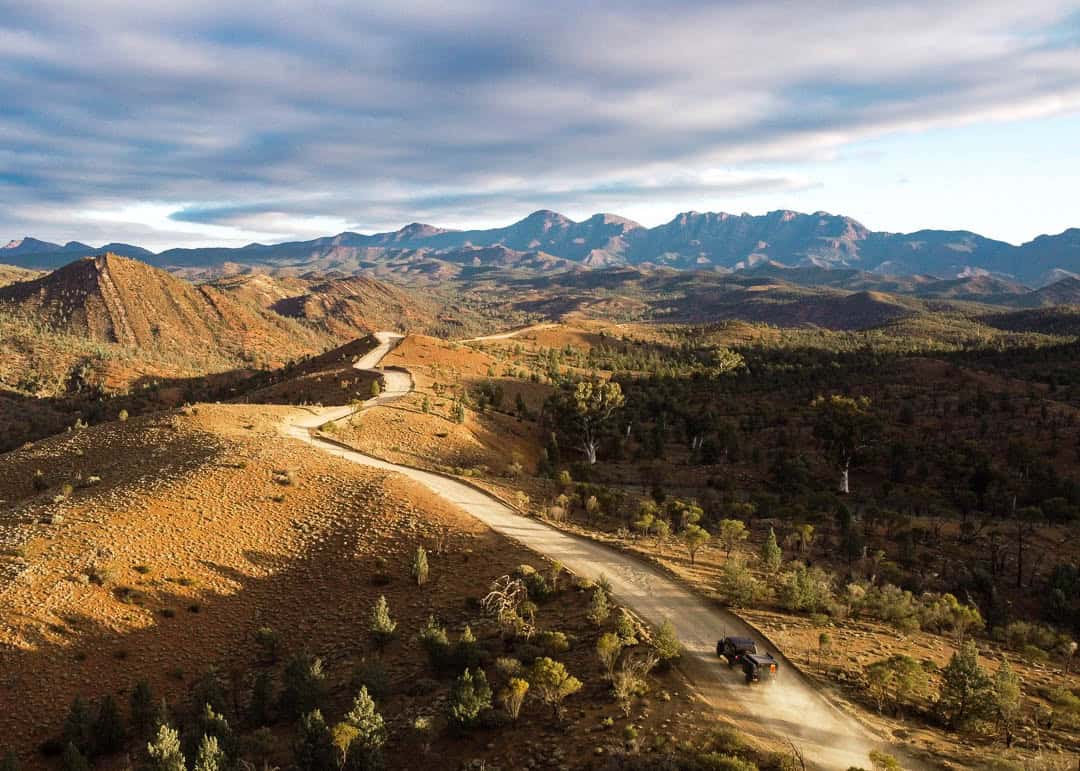
The Big Lap of Australia is an iconic road trip that takes you around the entire country. With 14,000 kilometres to cover, the journey will bring you past diverse landscapes of Australia.
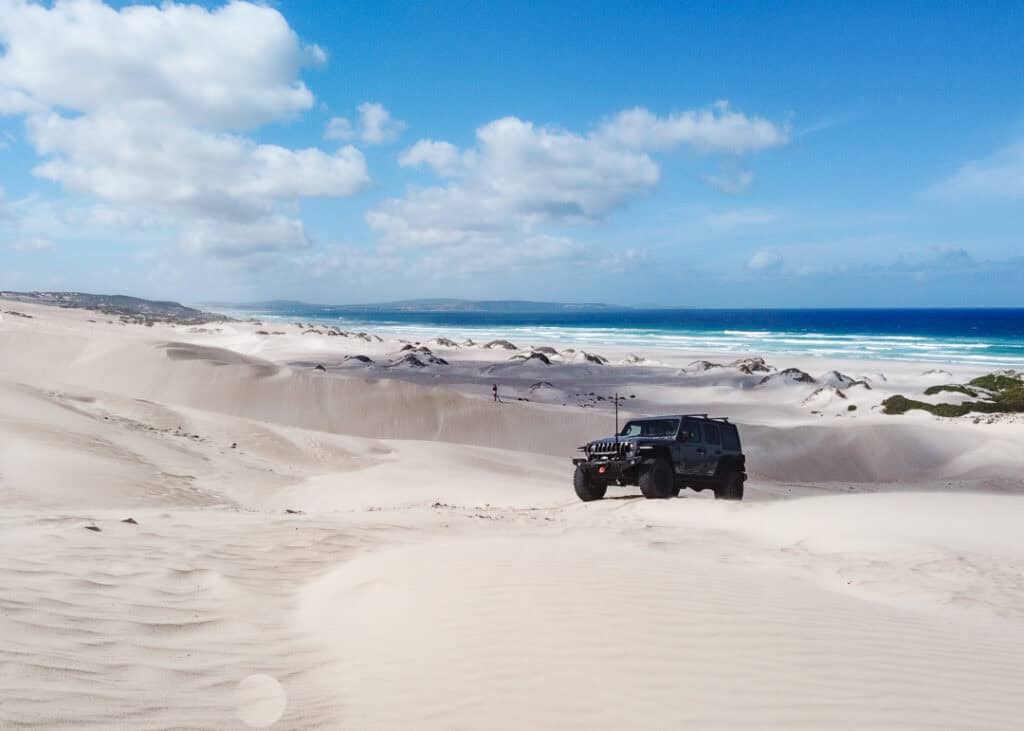
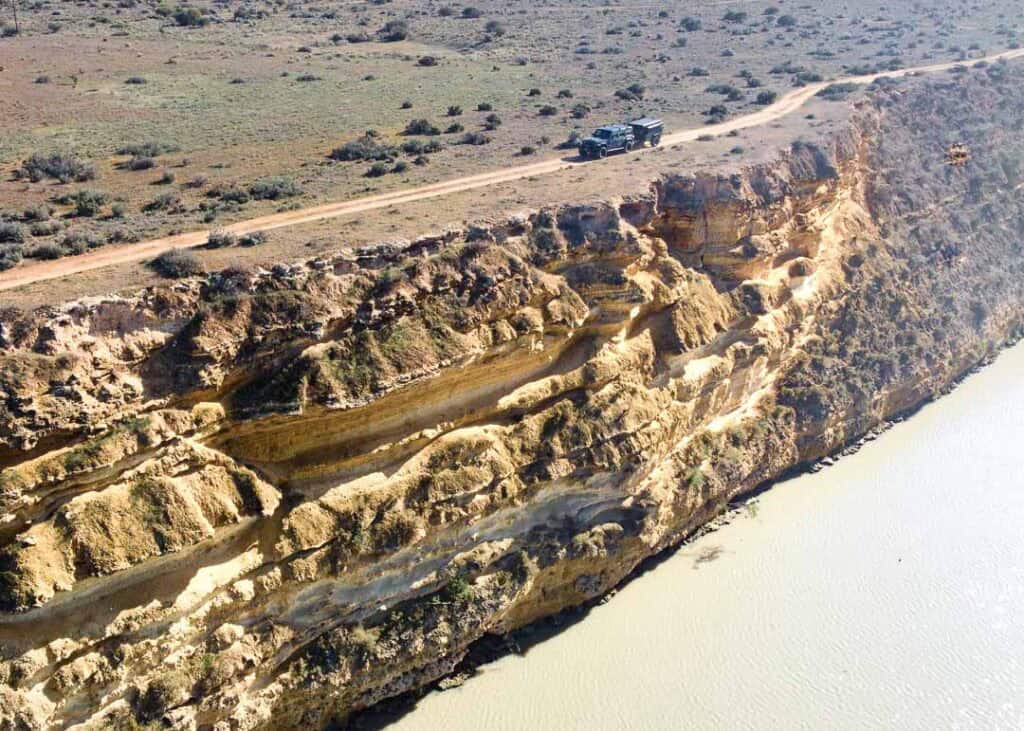
From tropical rainforests, the rugged outback to stunning coastlines. It’s an experience of a lifetime and a dream of many travellers.
1. Decide how long you want to travel
One of the first questions to answer is: how long will your trip be? The Big Lap of Australia can range from a few months to years. If you’ve got the luxury of time, you can slow down, take detours, and take your time exploring the best of what Australia has to offer. When you’re limited on time, you’ll need to plan ahead and think about what you want to see and do.
A tip we would like to share with you is don’t underestimate how big Australia is! What looks close on a map can still be a full day of driving. It’s good to have a rough idea of how long you can or want to spend on the road.
2. Choose clockwise or anti-clockwise
Should you go clockwise or anti-clockwise? This is a very common question that we’ve been asked a lot of times. The answer depends on when you’re kicking off on your trip and the seasons (more about that below).
If you’re leaving from the east coast and it’s winter, consider heading north first. When you’re starting in the west, going anti-clockwise will make more sense for warmer weather.
There’s no wrong answer to this question. Find a route that suits you best!
3. When is the best time for the Big Lap Australia?
Planning around the seasons is essential. The climate varies dramatically across the different regions.
In the southern parts of Australia, winter can be cold and wet, and you even get snow in Tasmania and Victoria. Summer up North is also known as the wet season, with tropical heat and humidity. Ideally, you want to be in the northern part, such as Northern Territory, the Red Centre, Tropical North Queensland and Northern Western Australia, during the winter months from June to August. During the summer months, from December to February, the south like Tasmania, South Australia, Southern Western Australia and Victoria, becomes more comfortable. The summer period is also the busiest time of year due to school holidays, which makes planning and booking accommodation upfront a must.
4. Choose the right vehicle
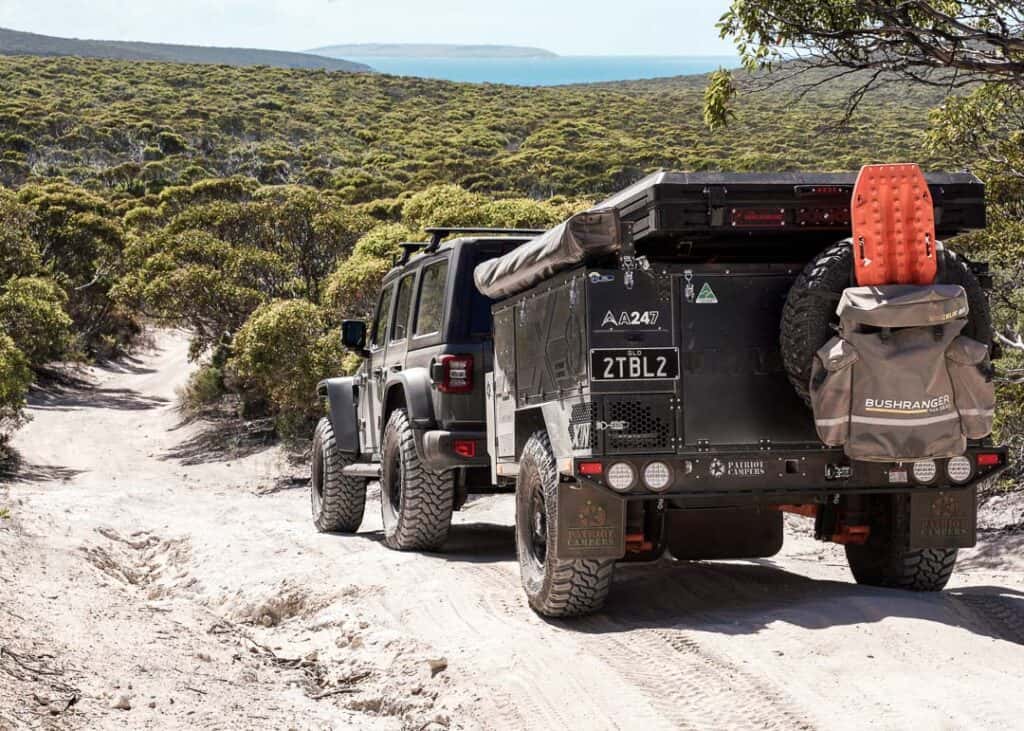
Your vehicle will become your home on wheels for a (very) long time. Choosing the right one is crucial for the best experience. You can opt for a 4WD, campervan, camper trailer or caravan. Make sure you find something reliable that suits your travel style.

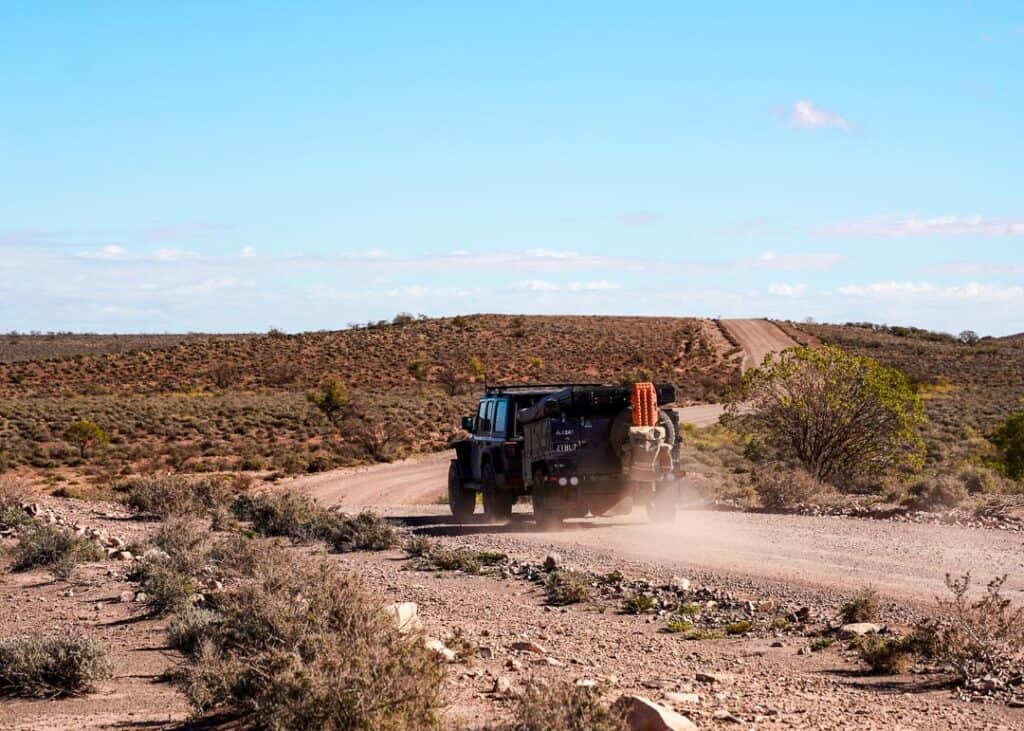


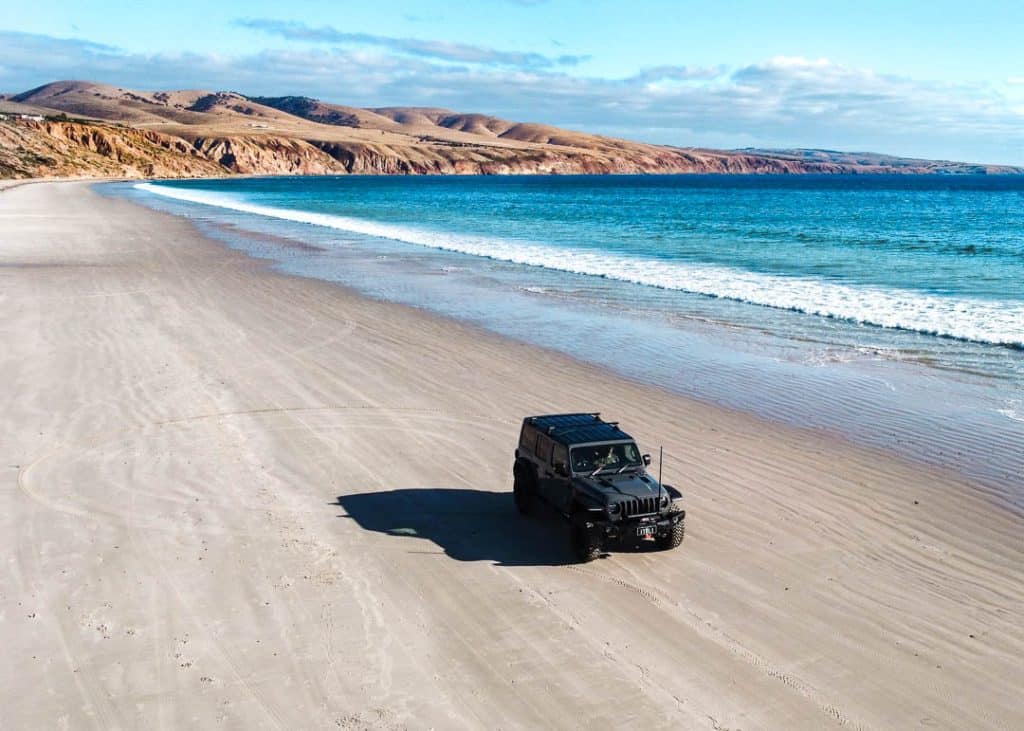
We would highly recommend travelling with a 4WD when you want to explore the real Australia. Think off-road adventures, free camping in the remote parts of Australia and discovering National Parks. If you’re sticking to the main roads and caravan parks, a campervan could be a more comfortable option. But all of this depends on your style and what feels comfortable for you.
5. Sort out your insurance
Insurance may not be the most exciting part of planning the Big Lap of Australia, but it’s one of the most important ones. You’ll need to think about vehicle insurance, travel insurance and health insurance.
Depending on your choice of vehicle, make sure your car or camper is covered for off-road adventures. Going off-the-beaten track is what exploring Australia is all about. We’ve gone with Club 4×4 for our vehicle insurance because we’ve made a fair bit of modifications to our Landcruiser 79 series. We were looking for a policy that covered our aftermarket modifications, like the suspension and GVM upgrade, plus our camping gear. Club 4×4 also has off-road recovery cover in case we have a mechanical failure or get stuck, as well as standard cover for accidents in the remote parts of Australia, which gives peace of mind when exploring all corners of Australia. It’s great knowing we’re covered for the off-road adventures we love and that our rig is insured for what it’s really worth.
6. Campgrounds and accommodation
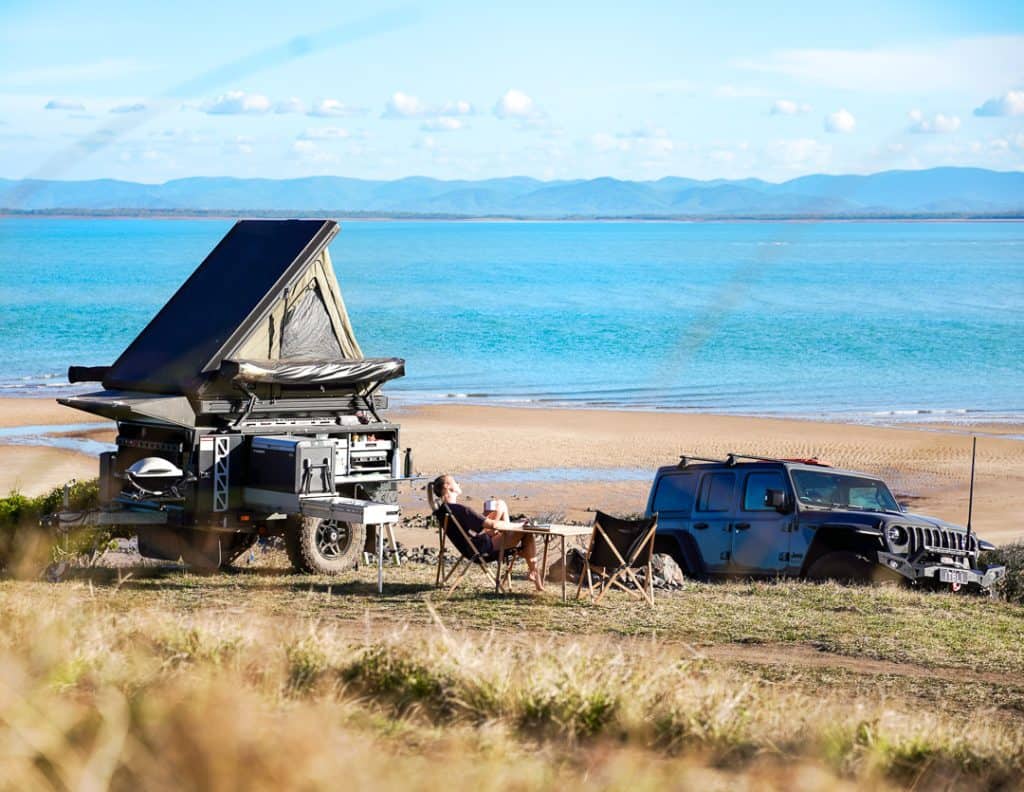
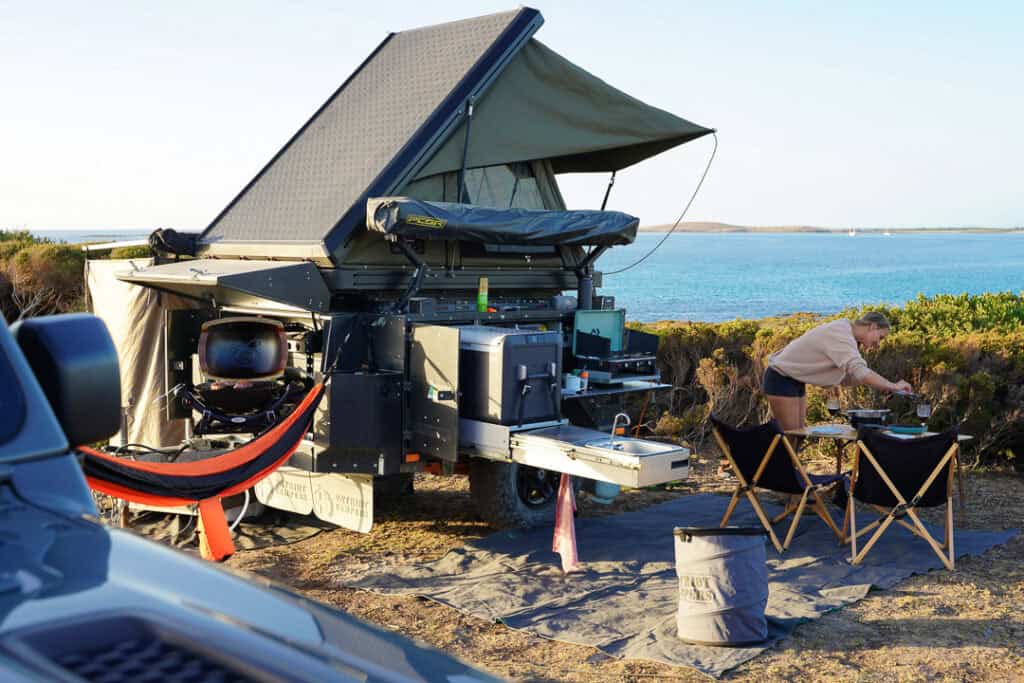
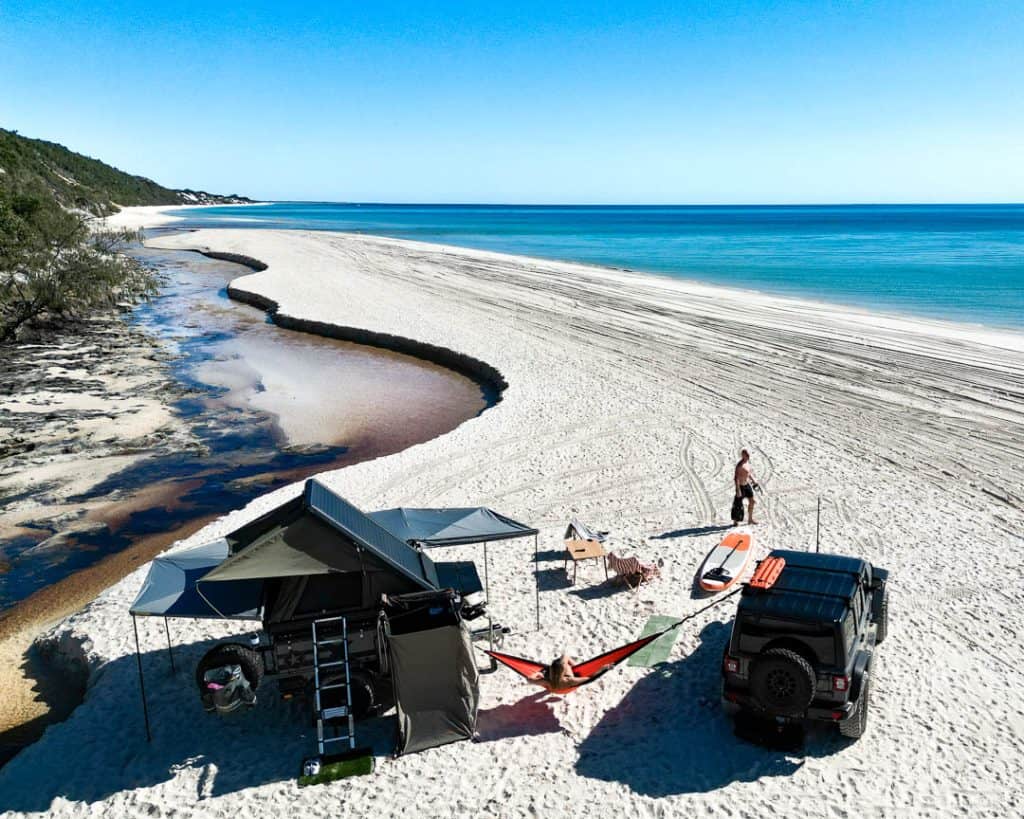
Where you stay overnight during your Big Lap can range from free camps to (affordable) caravan parks. The type of accommodation you choose will depend on your travel style, budget and how self-sufficient your setup is. A good off-road set up with solar panels, water tanks, kitchen and portable toilet will give you the flexibility to camp in remote areas.
Staying overnight in caravan parks can be also great for recharging, yourself and your batteries, doing laundry and spoiling yourself with a medium-long hot shower.



7. Pack the right gear
Packing the right gear will make all the difference in your comfort and safety on the road. A few essentials include recovery gear, a good first aid kit, tools for basic repairs and camping gear that suits your style and needs.
Don’t forget the little comforts that make life on the road more enjoyable, like a good coffee set up to enjoy your morning coffee, or a hammock to relax after a long day of exploring.
8. How much will a Big Lap of Australia Cost?
One of the most common questions we get is: ‘How much does it cost to do the Big Lap of Australia?’
There’s no right or wrong answer. Everyone is different, and your budget will vary based on how long you travel, how much fuel your vehicle uses, your accommodation preferences, and so on.
We have estimated roughly between A$100 and A$150 a day. It can be more or less if you’re free camping, cooking your own meals, etc. Fuel will be one of your biggest expenses, so keep that in mind when planning your route and keep in mind that there will be unexpected costs like repairs, doctor visits, and so on.
9. How to plan your route
Mapping out your journey with a good map or navigation system is essential. We’re big fans of Hema Maps, which offers detailed maps of Australia’s roads, including off-road tracks. They’re a must-have for all adventurous, especially if you plan to go off the beaten path.
10. Free or low cost camping guide
Taking advantage of free and low-cost camping areas will help you save money during your trip. There are some fantastic (free) guides available like Hema Maps, WikiCamps, Campermate and Hipcamp.
On these apps, you’ll find everything from free bush and beach camping to affordable caravan parks and campgrounds. These apps are updated by users who share reviews, photos and tips. It’s been a game changer for us when planning on where to stay while being on the road.

Planning a Big Lap is an exciting process, and with a bit of preparation, you’ll be ready to hit the road and have the adventure of a lifetime. Always remember, flexibility is key. Things don’t always go to plan, you can’t see everything, and you can’t control the weather. It’ll come with ups and downs, but it’s all part of the journey.
Happy Travels!
The content on Bush and Bay is based on our personal experiences and opinions. While we strive to provide accurate, up-to-date information, travel conditions and recommendations may change over time. We do not take responsibility for any decisions or actions made based on our content. Always conduct your own research and consult with professionals where necessary. Bush and Bay may earn a small commission from affiliate links, but this does not influence our reviews or recommendations. We only endorse products and places we have personally tested and believe in.
