

Cape Range National Park Camping: Best Campgrounds, booking tips & What to know

Cape Range National Park camping is one of the most in-demand camping experiences in Western Australia, and also one of the hardest to book.
Located just outside Exmouth along the Ningaloo Coast, this national park offers beachfront campsites, direct access to the reef, and some of the best snorkelling in Australia. But here’s the reality: if you don’t plan ahead, you’ll miss out.
In this guide, we’ll break down exactly where to camp in Cape Range National Park, how to secure a booking, which campgrounds are actually worth it, and what you need to know before you go on your Cape Range National Park Camping trip.
Cape Range National Park Camping: What you need to know
Before you book your Cape Range National Park camping trip, there are a few things you need to know:
Booking Cape Range Campsites
Booking Cape Range campsites: Book your campsite online through the WA Parks Website. Popular spots like Osprey Bay sell out as soon as bookings open (6 months in advance). Set a reminder and book early.
Missed out on a campsite?
Don’t give up just yet. Cancellations happen regularly. We’ve been testing Schnerp, which monitors campsite cancellations for you and emails you as soon as a spot opens up. It’s a much easier option than checking the WA Parks website every day.
➤ Set up your cancellation alerts here.
Once you’ve created your alert, you’re all set. The first few alerts are free, so you can try it out before deciding it’s right for you. If you choose to continue, Bush and Bay readers get 10% off with the code BUSHANDBAY.
Cape Range National Camping Fees & Permits
There’s a park entry fee per vehicle per day, plus Cape Range National Park camping fees. If you’re road tripping through WA and visiting multiple parks, a WA Parks Pass is worth it.
Cape Range National Park Camping Facilities
This is off-grid camping, so facilities are basic. There are drop toilets only, no showers and no drinking water. Bring plenty of water and come prepared.
Access
Most campgrounds are 2WD accessible, but camps beyond Yardie Creek require a 4WD
No pets allowed
t’s a national park, so no pets are allowed
How To Book Cape Range National Park (and actually get a spot)
This is where most people get it wrong. Cape Range National Park camping is extremely limited, and the best campsites are gone within minutes of bookings opening.
Here’s exactly how to secure a spot:
- Set a calendar reminder: Bookings open 180 days in advance, and the best sites disappear quickly.
- Create your WA Parks account beforehand. Logging in and entering your details on the day wastes valuable time.
- Be flexible with your dates
- Prioritise campgrounds like Osprey Bay, Kurrajong and Mesa
- If you miss out, don’t give up. Cancellations happen regularly, especially closer to the travel date. I’ve recently started using Schnerp, which monitors campsite cancellations and emails you the moment a spot becomes available. While testing it for Osprey Bay, I received several cancellations alerts within just one week. You still need to be quick, but it’s much easier than checking the booking website all day.
- Set up your Cape Range Cancellation alerts here.
TIP: The first few alerts are free, so you can try it out before deciding if it’s right for you. If you choose to continue, Bush and Bay readers get 10% off with the code BUSHANDBAY.
➤ If you’re looking for more campgrounds to mix up your stay, read through our Camping in Exmouth and Camping at Ningaloo Guides.
About Cape Range National Park
Located just outside Exmouth on WA’s Coral Coast, Cape Range National Park is home to some incredible nature:
- Limestone ranges and gorges: perfect for hiking
- Pristine beaches and coral reef: you can literally walk from the beach and snorkel the Ningaloo Reef
- Wildlife: Expect to see kangaroos, emus, echidnas, dingoes, heaps of birdlife and if you’re lucky, there are black-flanked rock wallabies around too.
What to expect from Cape Range National Park camping
Cape Range National Park is raw, rugged and absolutely stunning. It’s part of the Ningaloo Coast World Heritage Area, and for good reason.
- Beachfront campsites just metres away from the Ningaloo Reef
- Basic off-grid camping. No power, no showers and no drinking water
- Booking required up to 6 months in advance
- Mix of 2WD and 4WD accessible campgrounds
- Direct access to some of the best snorkelling spots in Exmouth
Cape Range National Park Camping: where to stay
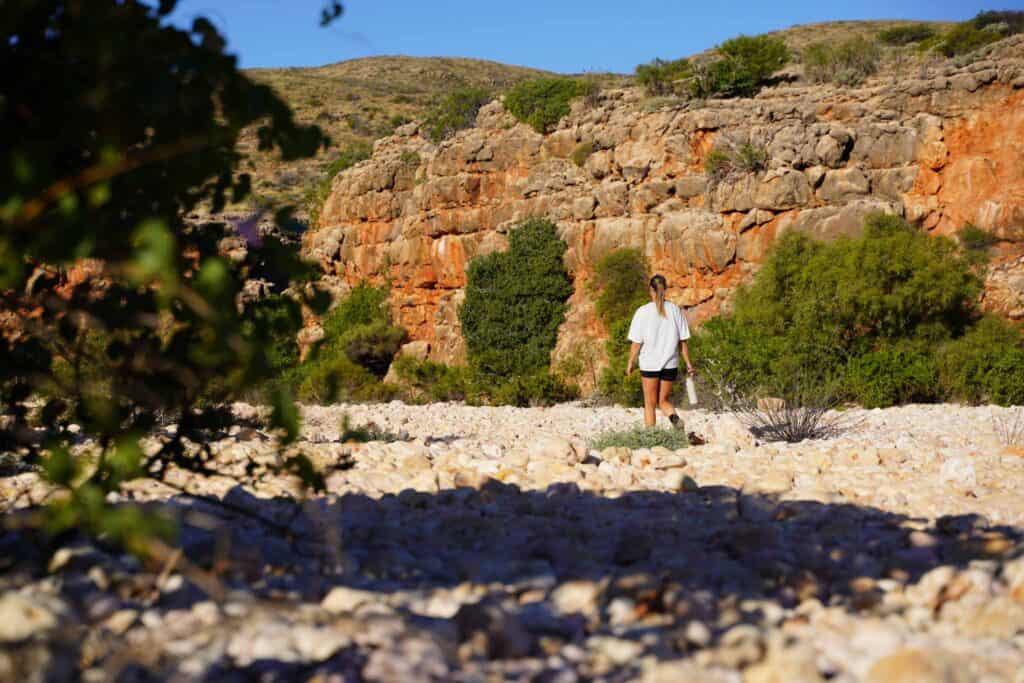
If you’re chasing those Instagram-worthy turquoise waters and want to be in the heart of the best snorkelling spots, this is for you. Cape Range National Park is home to some of the most iconic campgrounds in the area, and you’re just steps away from the best snorkelling and hiking trails in the area.
Cape Range National Park Campgrounds (Full Breakdown)
Cape Range National Park is home to some of the most iconic beachfront campgrounds in Western Australia. Choosing the right one depends on your setup, how off-grid you want to go, and what you want to prioritise; snorkelling, hiking or easy access.
Osprey Bay: Best Beachfront Camping in Cape Range
If you’re chasing the ultimate Cape Range National Park camping experience, this is it. Ocean views, turtles cruising past and direct access to the reef. If you travel with a kayak or SUP, paddle out to the back reef for an incredible snorkelling experience.


Yardie Creek Campground: best for Hiking & Kayaking
- Located near the start of the Yardie Creek Gorge Trail
- A great spot if you want to hike the gorge, take out your paddleboard or join a Yardie Creek boat tour.
Kurrajong (North & South) and Mandu (North & South): Best Central Location
Perfect if you want easy access to Turquoise Bay, Oyster Stacks and Mandu Mandu Gorge. A great all-round option.
Bungurra Campground: Close to Osprey Bay
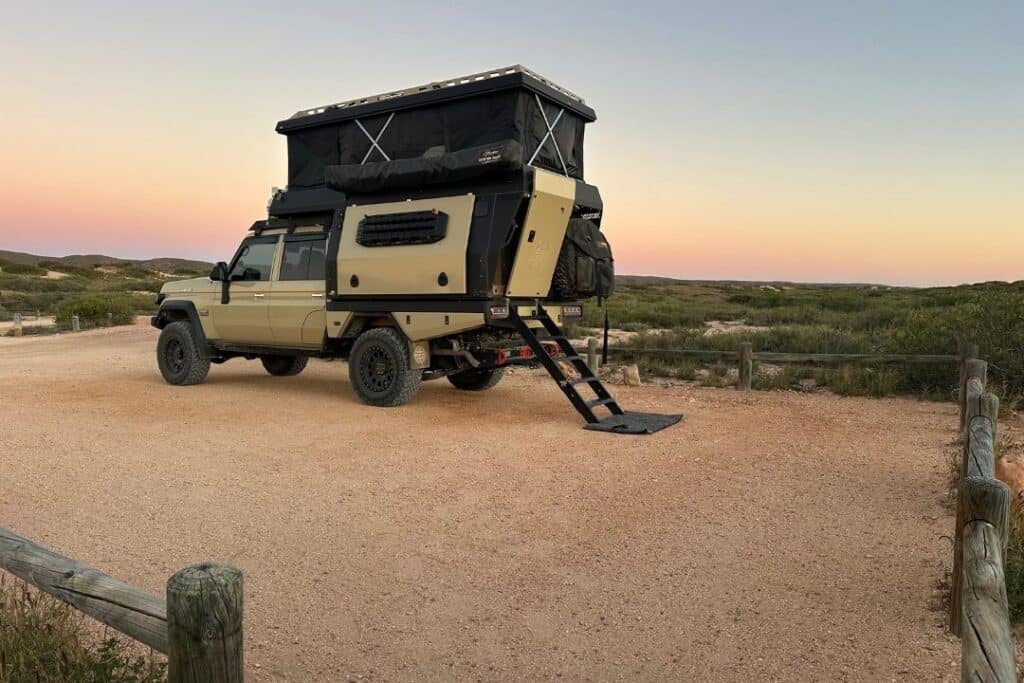
Close to Osprey Bay and a good option for those wanting a quieter stay.
Tulki Beach: Close to Snorkelling spots
Centrally located, making it ideal for snorkelling spots like Turquoise Bay, Oyster Stacks and Lakeside
Mesa & Neds Camp: Closest to Exmouth
- Closest to Exmouth and the Tantabiddi boat ramp
- Best option if you’re planning a boat trip or whale shark shark tour
- Close to snorkelling spots and surf beaches
One K Camp & Boat Harbour: 4WD only
These two are 4WD only and located beyond the Yardie Creek Crossing. These two are perfect for those looking for a more remote experience.
Facilities at all Cape Range campgrounds
- Basic amenities – drop toilets only and no showers
- There’s no drinking water, so bring plenty with you
- No powered sites
- It’s both 2WD and 4WD accessible sites; some campgrounds are 4WD only
What to do while camping in Cape Range National Park
Cape Range National Park camping is all about being close to nature, especially the reef. Instead of listing everything here, we recommend reading our full guides on Things To Do In Exmouth and our Best Ningaloo Reef Snorkelling Spots for a complete breakdown.
But here’s our top two of best activities to do during your Cape Range Camping Trip:
Snorkelling
Snorkelling and hiking are what Cape Range National Park camping is all about. For us, the snorkelling stood out the most. The Ningaloo Reef is just metres from the shore, and the snorkelling here is incredible. Turtles everywhere, little reef sharks, and colourful fish.

Hiking
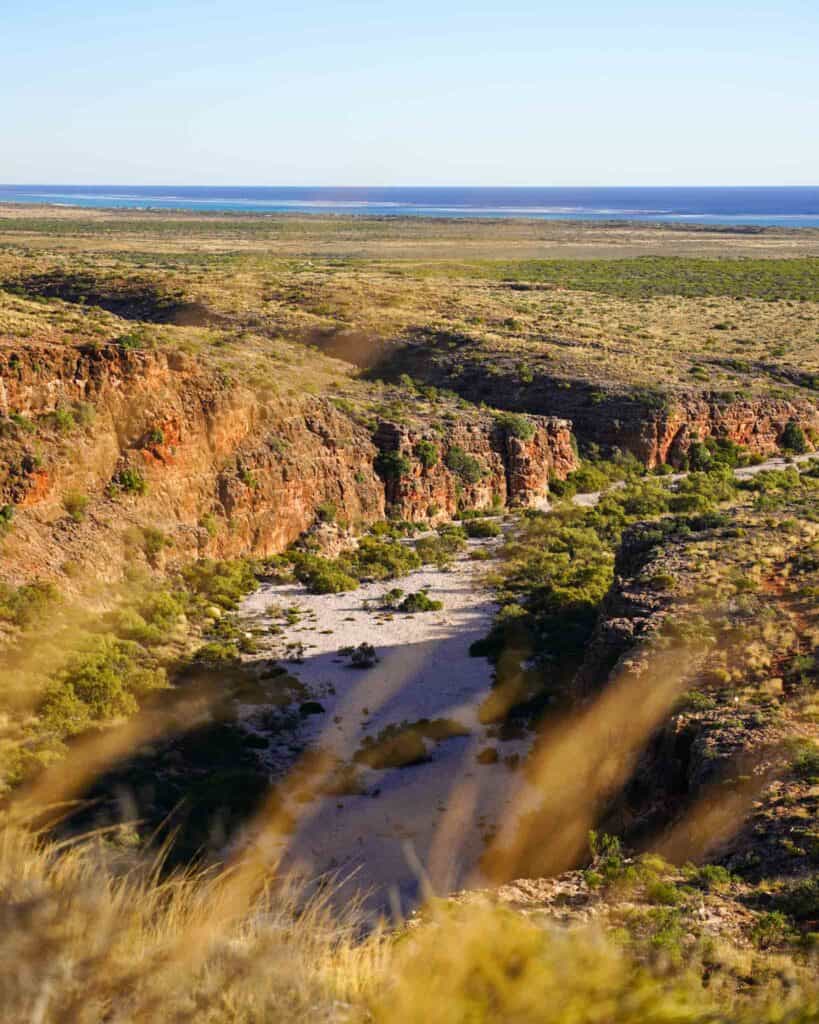
There are two must-do hikes while you’re on your Cape Range Camping trip:
- Mandu Mandu Gorge: A 4km loop with incredible views
- Yardie Creek Gorge Trail: Easy 1.2km return hike
Best time For Cape Range National Park Camping
The best time for Cape Range National Park camping is between April and October. Timing your trip will make or break your experience. Especially when it comes to wind… The wind in WA can be brutal, and while beach camping, this is the one thing you want to check before you’re going.
- April to June: Whale shark season and calmer conditions
- July to October: Humpback whales migration season, but also peak season – meaning big crowds
- November to March: Extreme heat, cyclones and limited access to beaches and snorkelling spots
➤ For a full month-by-month breakdown, check our detailed Best Time To Visit Exmouth guide.
Cape Range National Park Camping Tips
Is Cape Range National Park Camping worth it?
Absolutely! But only if you plan it properly. This isn’t the kind of place you just show up to. The effort it takes to secure a campsite is exactly what keeps it so special.
If you do it right and find yourself an epic camping spot in Cape Range National Park, you’ll wake up steps from the Ningaloo Reef, snorkel before the crowds arrive and experience one of the most unique camping destinations in Western Australia.
Plan your Cape Range National Park camping trip
If you want to plan your trip properly, start with these guides:
➤ Or explore all our Western Australia Travel Guides to help plan your trip.
Cape Range National Park Camping FAQs
Do you need to book cape range national park campgrounds?
Yes, all Cape Range National Park campgrounds must be booked online in advance through the WA Parks system. Campsites open up to 180 days ahead.
Do you need a 4WD for cape range national park camping?
Most campgrounds are 2WD accessible; only the two campsites beyond Yardie Creek require a 4WD.
What is the best campground in Cape Range National Park?
Osprey Bay is the most popular campground due to its beachfront location and easy access to snorkelling spots.
What if Cape Range National Park is fully booked?
Don’t assume all hope is lost. Cancellations happen regularly, particularly in the week leading up to people’s trips. If you miss out, we’ve been using Schnerp, which monitors campsite cancellations and sends you an email as soon as a campsite becomes available. It saves you from checking the booking website throughout the day.
The content on Bush and Bay is based on our personal experiences and opinions. While we strive to provide accurate, up-to-date information, travel conditions and recommendations may change over time. We do not take responsibility for any decisions or actions made based on our content. Always conduct your own research and consult with professionals where necessary. Bush and Bay may earn a small commission from affiliate links, but this does not influence our reviews or recommendations. We only endorse products and places we have personally tested and believe in.
